
NextStepCare · Brand & Collateral System
I named the category and built the brand around it.
NextStepCare had the clinical proof but not a clear story. I gave it one. This is the website I designed. You can explore it live below.
NextStepCare · Brand & Collateral System
NextStepCare had the clinical proof but not a clear story. I gave it one. This is the website I designed. You can explore it live below.
At a Glance
The situationA clinically proven recovery product with strong data but a scattered story.
My rolePositioning, identity, and system design.
The workI named the category, Clinical Recovery Intelligence, and built one brand system used the same way across all the collateral.
What changedOne voice everywhere the company speaks, behind proof like 3.4% readmissions against a 12.2% standard.
The Problem
The science was solid: continuous recovery data from a phone, real outcomes, an FDA registration, a patent. But the words described a feature, not a category, and every deck, letter, and page said it differently. Investors saw a tool; clinicians saw an app.
The proof was strong. The story was scattered.
So I stopped describing the feature, and named the category.
That one decision shaped everything else.
The Solution
Each one in plain English: what I did, and why.
I named what it actually is: Clinical Recovery Intelligence, a category the product can lead, instead of one feature lost in a crowd.
A three-word promise for the product: continuous, objective, clinical observation. It goes on every document the company sends.
Two typefaces, three colors, one mark, and clear rules. Anyone on the team can make on-brand material without guessing.
I took the same data and set it up as clear side-by-side comparisons, then used that everywhere.
A clinical letterhead, an investor deck, and a provider sales deck. All in one voice.
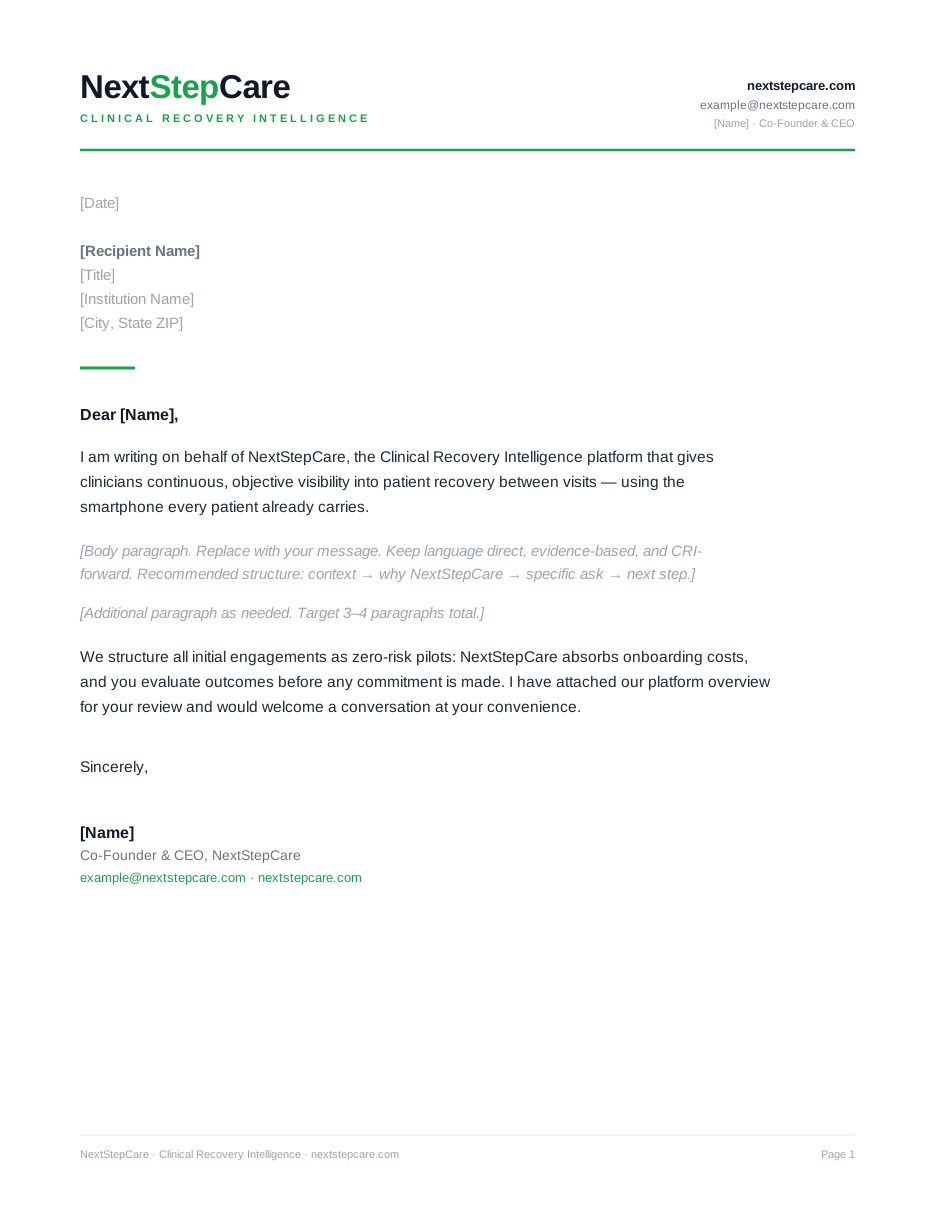
A change-log that checks every asset against the spec and flags anything off-brand or sensitive, such as credentials and stats, before it goes out.
The Work
The website, the letterhead, the decks, and the governance doc. Select any piece to enlarge.
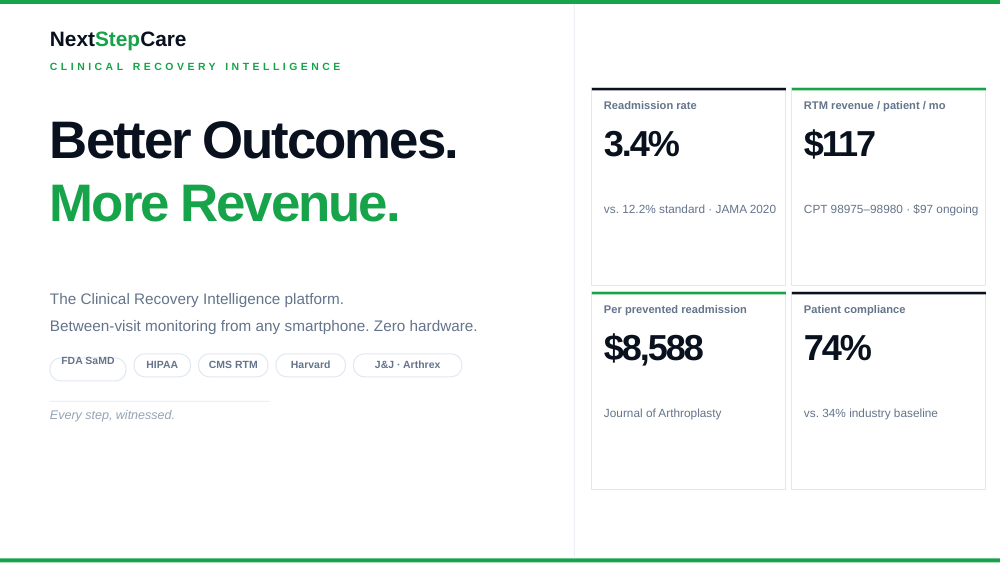
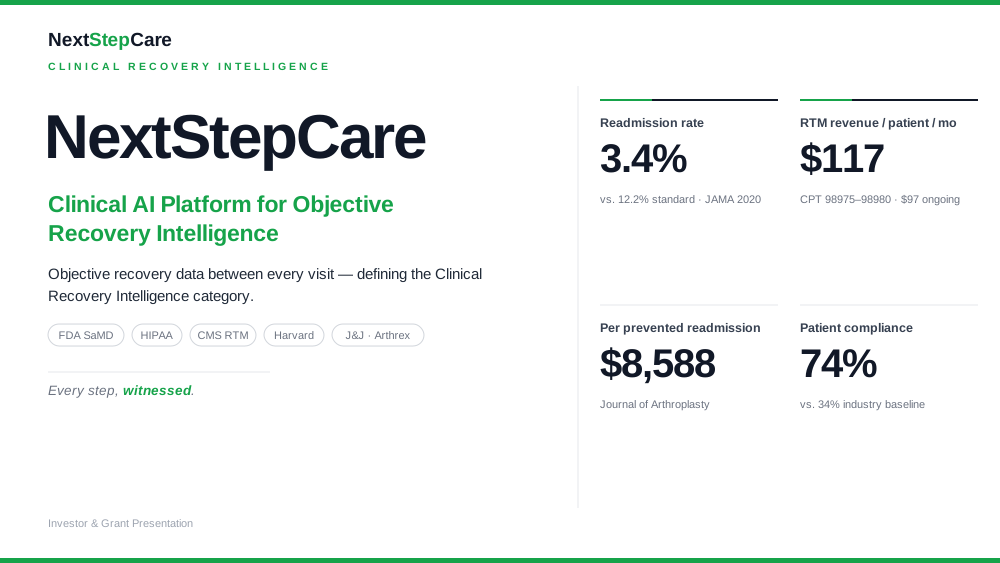
The Numbers
The Result
One brand, used the same way across the company.
The website, print, and decks now look like one company.
The product owns a category now, instead of being a feature inside someone else’s.
A small team can keep the brand consistent as it grows.
The central design decision was strategic: define the category clearly enough that every subsequent choice could follow.